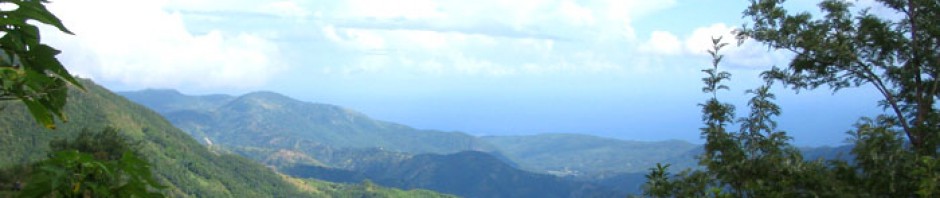
The Diocese of Jamaica and the Cayman Islands for the first time, celebrated the Feast of Creation. It emphasizes that Christ is the centre of all of Creation. The feast has been celebrated by the Eastern Orthodox Church from the 5th Century. There are many ancient traditions that revere and respect the earth and all created things.
At its core is a recognition of God’s creation of heaven and earth out chaos, of all that is seen and unseen. It recognizes that should give thanks for the great gift of Creation and offer petitions for its protection and salvation.
- It recognizes that Creation as a Christological mystery. Our celebration affirms Christ as the centre of Creation. We remember and commemorate Christ being present in the divine act of creation
- We contemplate Creation as a Trinitarian mystery. In Creation the Father son and Holy Spirit acted together.
- Creation is a sacramental and covenantal gift. In it and through it, God made Godself known to the world. God not only created the world and all that was in it, God entered the world as Jesus Christ.
Since it was a first for us celebrating the Feast of Creation, using the reading from the New Testament (Colossians 1:5-13) and the Gospel Reading ( John 1:1-14) I preached on the theme “Everything belongs to God. Everything begins in God, and everything ends in God. God is in everything.”
Here Goes
There are some truths that are so familiar to us that we can easily forget how powerful they are. One of those truths is this: Everything belongs to God. Everything begins in God, and everything ends in God. God is in everything. We often think my house, my car, my time, my life. But the Feast of Creation invites us to step back and remember that before anything was ours, everything was God’s.
The Bible begins with the words, “In the beginning God created.” And John further says: “In the beginning was the Word, and the Word was with God, and the Word was God.”
Before there was a world, there was God. Before there were oceans and mountains, or human beings, animals and trees, there was God. Before there was time as we know it, there was God. And John tells us that this Word (capital W) through whom all things came into being became flesh and lived among us. That is the wonder of our Christian faith: the God who created the universe entered the universe. We say god became incarnate.
So Everything begins in God. Colossians tells us that Jesus is the image of the invisible God, the firstborn of all creation; for in him all things in heaven and on earth were created.” Notice the words: all things. Not some things. Not even only the beautiful things. Not only the things we understand. or the things we see or the things we cannot see. All things not some things.
Creation is not an accident. Creation has its beginning in God.
The plants and beauty all around us did not create themselves. We did not create ourselves. We are apart of creation. We are not the owners of creation. But we have been given a special responsibility within creation. Genesis 1:26 and 28 in the KJV – says God gave us dominion over every living thing. Verse 28 says we are to subdue it. We have come to understand that having dominion means being responsible for every living thing that moves on the face of Earth.” BUT RESPONSIBILITY IS NOT OWNERSHIP
God says, “I have placed this world in your care. Look after it. Protect it. Use it wisely. Pass it on.” We are allowed to work with and in it, enjoy it and benefit from its fruits, but we must never forget that all things belongs to God.
So when we throw garbage on the roadside or in the rivers, we must remember it belongs to God. When we choose not to separate our garbage and recycle the bottles or reuse containers, remember we are adding to the build up of plastic. Biodegradable grocery bags take 20 years, but plastic straws take 200 years. And pp lastic never truly disappears. It breaks down into tiny pieces. When we are tempted to not care, we must remember that all of life belongs to God. When we waste food while others go hungry, we must remember: the resources belong to God.
When we abuse the land and leave it damaged our children and grandchildren will not be able to enjoy it.
The Feast of Creation asks us “How can we honour the God to whom this creation belongs?” How can we use creation and not abuse creation.? How can we use the resources in a manner that they are sustainable and there is enough for our children and grandchildren to enjoy? Many of us have seen the change in the shore line at Hellshire and Alligator pond. The sea is now right up against the buildings as the sand has eroded over the last 30 years.
Creation is God’s gift, and all gifts should be treated with gratitude. We should not waste food and we should not waste water. This is not simply an environmental issue. it is a spiritual issue. How we treat God’s creation says something about how we understand God.
If everything belongs to God, then our relationship with creation should be marked by gratitude, responsibility and stewardship.
Our centre is Christ Jesus. Creation’s centre is in Christ Jesus.
Colossians1:15-20 gives us an even deeper truth. “All things have been created through him and for him.” Everything was created through Christ and everything was created for Christ. That means creation is not ultimately about us. Creation is about God.
The universe does not revolve around human beings. The universe revolves around God. We are important to God—we are loved by God—but we are not God. Like creation, we belong to God. And that is an important understanding in a world where humanity sometimes behaves as though we are the centre of everything. We are not the centre.
Christ is the centre.
The earth belongs to Christ. And all that is in it belongs to God.
Our lives and possessions belong to Christ. Our families and our gifts belong to Christ. God has given them to us for as long as we are on earth. Because everything belongs to Christ, everything should ultimately be used for Christ. You would have heard me say more than once everything we do is worship.
The question to ask is not “What do I want?” The question is: “Lord, what do you want me to do with what you have entrusted to me?” John gives us one of the most extraordinary statements in Scripture: (John 1:14) he tells us The Creator entered creation. He says “The Word became flesh and lived among us.”
God did not remain distant from the world God had made. God came into it and shared it with humans. He lived life in a particular way and told us to follow him. Jesus experienced hunger and ate food. Jesus experienced thirst. Jesus walked on the earth. breathed its air. touched people. Jesus slept. Jesus wept.
Jesus lived among ordinary people. The One through whom all things were created became part of the creation.
That tells us something profound about the value of the created world.
If creation was good enough for God to enter, then creation should never be something we treat as worthless.
And if God came among us, then our care for creation must also include our care for people.
We cannot claim to love creation and ignore people who are suffering. We cannot care about trees but not care about hungry children. Its like the pro-lifers who say absolutely no abortions, but does not lend support to a poor family whose 14 year old carries a baby conceived by rape.
We cannot speak about protecting the earth while ignoring the poor and vulnerable people who are often the first to suffer when the environment is damaged.
The ministry of Jesus shows us that God’s love embraces the whole of creation.
Everything ends in God. Colossians says that through Christ, God was pleased “to reconcile to Godself all things, whether on earth or in heaven.”
So ultimately, everything gets drawn back toward God.
So We are not just living for today. We are preparing ourselves and God’s creation for the fullness of God’s kingdom. The time that shall surely be when the earth shall be filled with the glory of God as the waters cover the sea.
When we die, we will leave behind our possessions, houses, our money. Others will take our place. But God remains.
That is why Jesus says in John “What has come into being in him was life, and the life was the light of all people.”
Our hope is not in what we possess. Our hope is in Christ.
Just as we are thankful for the trees, the birds, the beauty of the sea, we give thanks to God in all things. When we eat the food that the earth provides, we should give thanks to God. And when we look at another human being, remember that they too belong to God.
You may be asking yourself “if everything belongs to God what belongs to me?” Nothing. The question to be answered is “What has God entrusted to me?” When we understand that God has entrusted the care of all created things and the care of our fellow human beings, then and only then will we recognize that we are called to live differently; To not waste and to care more. Let us protect what God has created. Let us love. Not just our neighbour but all created things
Let us honour the earth. Let us serve the vulnerable. Let us keep our eyes fixed on Jesus Christ—the One through whom all things were made, the One for whom all things exist, and the One who came into creation to reconcile all things to God.
Everything belongs to God. Everything begins in God, and everything ends in God. God is in everything. And therefore, everything we are and everything we have, should become an offering of praise to God. Amen.


